
-
Обои с маками - Кремовый/Шоколадный - 216957 - Morris & Co
Продавец:Morris & CoЗа рулонОбычная цена $240.00Обычная ценаЦена за единицу за$390.00Цена со скидкой $240.00Распродажа -
Обои с изображением мака - бордовый - 216956 - Morris & Co
Продавец:Morris & CoЗа рулонОбычная цена $342.00Обычная ценаЦена за единицу за$390.00Цена со скидкой $342.00Распродажа -

 Распродажа
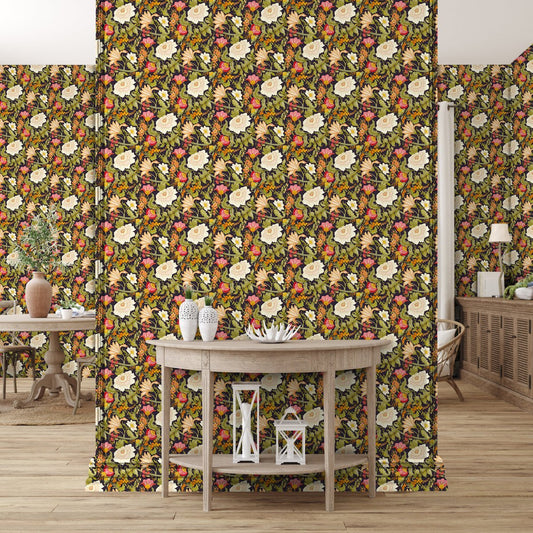
Poppy Wallpaper - Midnight Green - 1108
Продавец:Morris Collections WallpaperPer RollОбычная цена $280.00Обычная ценаЦена за единицу за$430.00Цена со скидкой $280.00Распродажа -

 Распродажа
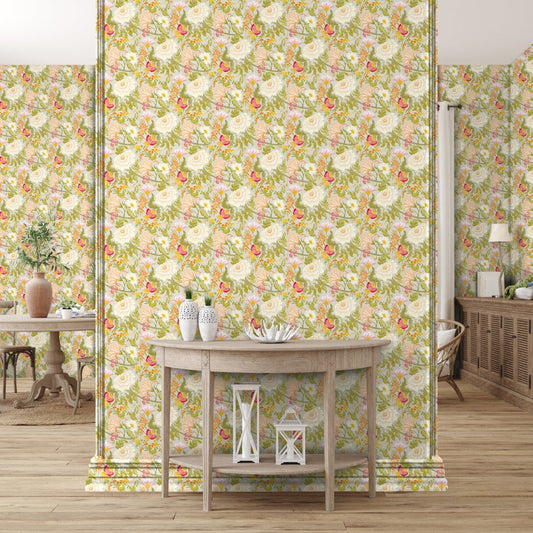
Poppy Wallpaper - French Grey Green - 1107
Продавец:Morris Collections WallpaperPer RollОбычная цена $280.00Обычная ценаЦена за единицу за$430.00Цена со скидкой $280.00Распродажа -

 Распродажа
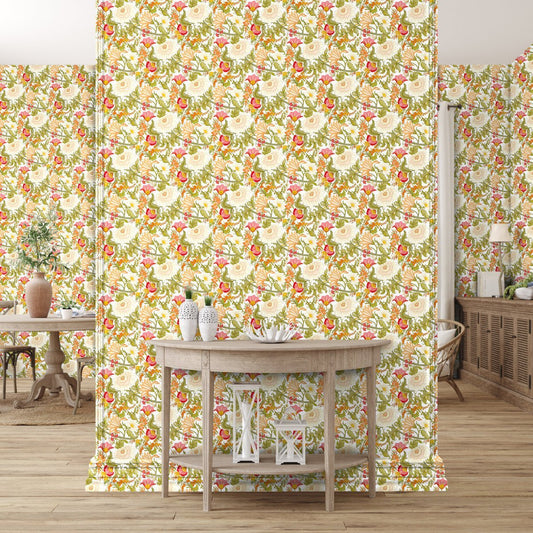
Poppy Wallpaper - Pearl White - 1106
Продавец:Morris Collections WallpaperPer RollОбычная цена $280.00Обычная ценаЦена за единицу за$430.00Цена со скидкой $280.00Распродажа -

 Распродажа


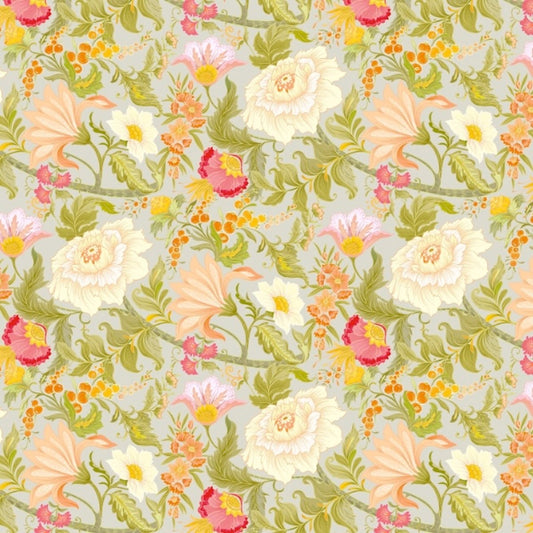
Poppy Wallpaper
Продавец:Morris CollectionsPer RollОбычная цена $280.00Обычная ценаЦена за единицу за$336.00Цена со скидкой $280.00Распродажа


FAQ's
Is Morris & Co wallpaper still made by William Morris?
Morris & Co wallpaper is still produced using William Morris's original 19th-century designs, reprinted from the company's historic archive of hand-carved woodblocks and print rocks. William Morris founded the company in 1861 and died in 1896, so today's designs are faithful reproductions of his originals (and later archive additions by collaborators like J.H. Dearle) rather than new work by Morris himself. Morris & Co is now part of Sanderson Design Group, which continues to manufacture the wallpaper in the UK.
How much does Morris & Co wallpaper cost per roll?
Morris & Co wallpaper typically ranges from around $240 to $290 per roll at UK retail pricing once converted, though exact prices vary by design and print method. Buying from a US-based supplier avoids international shipping costs and import fees, which is why prices here are generally lower than ordering directly from the UK for US and Canadian customers.
Is Morris & Co wallpaper suitable for period homes?
Morris & Co wallpaper is a popular choice for Victorian, Edwardian, and other period homes because the designs date from that era and were originally created for exactly this kind of interior. Damask and botanical patterns like Acanthus or Pimpernel suit formal period rooms, while denser florals like Strawberry Thief or Willow Bough work well in more relaxed period or cottage-style spaces. The designs also pair easily with modern interiors when used on a single feature wall or in a smaller room like a powder room or hallway.
How many rolls of Morris & Co wallpaper do I need?
The number of rolls depends on your wall height, room perimeter, and the pattern's repeat size, since larger repeats (common in Morris & Co designs) require more matching and can increase wastage. As a rough guide, a standard-height room (around 8ft ceilings) typically needs one roll per 2-2.5 linear meters of wall, but we recommend using a wallpaper calculator or contacting us with your measurements before ordering, since pattern repeats vary by design.
What's the difference between Morris & Co wallpaper and peel-and-stick versions?
Traditional Morris & Co wallpaper is a non-woven or paste-the-wall paper that requires wallpaper paste and is generally hung by a professional installer or a confident DIYer. Peel-and-stick (self-adhesive) versions use the same archive designs but on a removable adhesive backing, making them easier to install and remove without paste — a good option for renters or anyone wanting a temporary or lower-commitment installation.
Do you offer samples before ordering full rolls?
Yes, samples are available for most designs so you can check color and scale in your own lighting before committing to a full order. Ordering a sample is the best way to check a colorway against your existing furnishings, since screen colors can vary from the printed paper.